

Owning a home in Pinellas Park means dealing with humidity, salt air and an aging housing stock. Many houses here were built decades ago with plumbing materials that do not stand up as well over time. Understanding when to replace old plumbing pipes helps you avoid leaks, water damage and costly repairs down the road.
This blog will cover the common pipe materials in older homes, the signs that your plumbing is failing, how repair costs compare to replacement costs, and the long‑term benefits of repiping your home.
Whether you just moved into your Pinellas Park home or have lived here for years, knowing when to replace old plumbing protects your investment and your peace of mind.
Common Pipe Materials in Older Homes
Not all plumbing pipes are created equal. The material used in your home’s plumbing affects how long it lasts, how likely it is to fail and what replacement involves.
Some common pipe materials in older homes include:
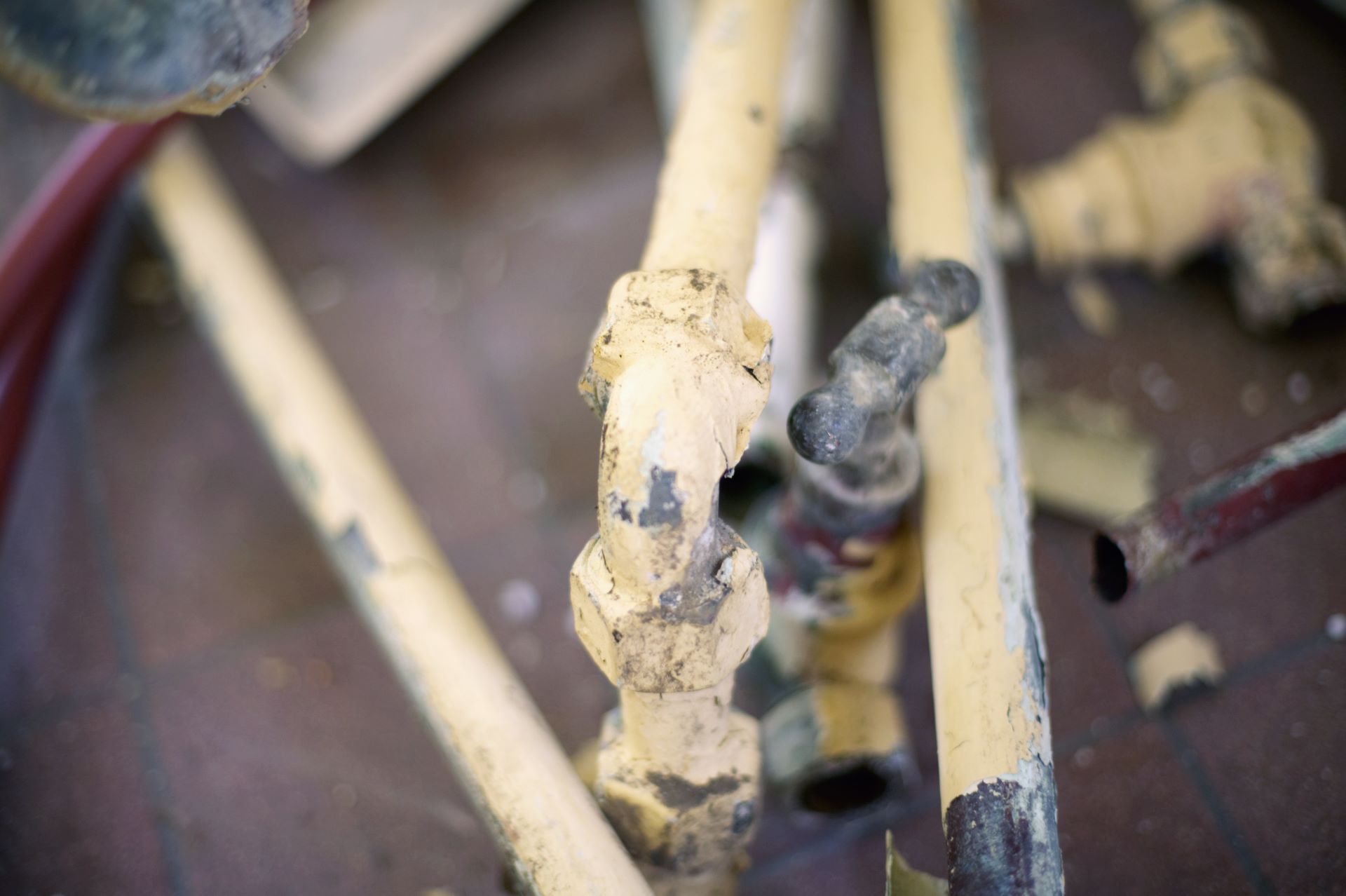
- Galvanized Steel: These were widely used before the 1960s. Galvanized pipes corrode from the inside out, restricting water flow and eventually leaking. Once corrosion begins, it only gets worse with time.
- Polybutylene (PB): Used from the late 1970s through the early 1990s. Polybutylene is known to become brittle and fail suddenly. Many insurance companies view it as a risk due to frequent leaks.
- Cast Iron: Typically used for drain lines. While sturdy, cast iron can rust through over time and lead to drainage problems or blockages.
- Copper: Introduced after galvanized pipes and still in use today, copper can last many years but is not immune to pinhole leaks, especially in areas with highly acidic water.
Each material has a different lifespan and failure mode. For example, galvanized steel may continue to function for decades but will gradually corrode internally, often without obvious external signs until it is too late. A licensed plumber in Pinellas Park can evaluate the materials in your home and help you understand their condition.
Warning Signs of Pipe Failure
Pipe failure rarely happens without warning. Knowing the signs helps you plan for replacement before water damage occurs.
Watch for these red flags:
- Rusty or discolored water: Water that looks brown, orange or unusual is often a sign of corrosion inside the pipes.
- Low water pressure: Corrosion and buildup inside old pipes restrict water flow. If you notice weak pressure at faucets or showers, aging pipes may be the cause.
- Frequent leaks or drips: Pipes that have begun to fail will show small leaks that grow over time. Look under sinks, behind appliances and in crawl spaces.
- Visible corrosion: If you see rust, greenish deposits or thinning pipe walls where accessible, the plumbing is deteriorating.
- Unusual noises: Banging, clanking or hissing sounds may indicate pipe movement, high pressure or compromised lines. These are often precursors to leaks.
- Bulging walls or ceilings: Hidden leaks behind walls can cause drywall to soften and bulge. This type of damage is expensive and dangerous if ignored.
If you see any of these signs, call a licensed plumber to
inspect your system. The plumber can trace the issue back to the source and determine if simple
repairs or a full replacement is needed. Waiting until a pipe breaks and floods your home can cost far more than proactive replacement.
Repair vs Replacement Costs
One of the first questions homeowners ask is whether to repair a failing pipe or replace it entirely. The answer depends on the condition of the existing plumbing and the extent of the problem.
Repair Costs:
- Small leaks and localized damage can often be repaired without replacing entire sections of pipe.
- Repairs are less expensive up front and may be the right choice if aging is limited to one area.
- However, repairing one leak does not guarantee another will not appear nearby if the entire plumbing system is old.
Replacement Costs:
- Repiping your home costs more initially than a simple repair. Repiping may involve replacing all supply lines, fixtures and shutoff valves.
- The cost varies with home size, accessibility of pipes and materials chosen for replacement.
- For older homes with galvanized or polybutylene pipes, full replacement often saves money over time by avoiding repeated repair calls.
In Pinellas Park, labor rates, materials and accessibility all affect cost. A consultation and quote from a licensed plumber helps you compare repair vs replacement. Most plumbers will inspect your plumbing system and offer a detailed estimate so you understand where your money goes.
While replacement may look expensive at first, it eliminates the guesswork of future leaks and often increases home value. Buyers frequently ask about plumbing materials during inspections, and modern piping improves confidence and marketability.
Long‑Term Benefits of Repiping
If your home still has old plumbing pipes, repiping offers benefits that go beyond fixing leaks.
Improved Water Quality:
Old pipes can impart rust or sediment into your water. New pipe materials like PEX or modern copper provide cleaner, clearer water.
Fewer Emergency Repairs:
Replacing old piping removes the worn materials most likely to fail. You are less likely to deal with urgent leaks that disrupt your day and your budget.
Better Water Pressure:
Clogged or corroded pipes restrict flow. Repiping restores full water pressure throughout the home.
Insurance Benefits:
Some insurers offer more favorable terms when your home has updated plumbing. At a minimum, a newer system reduces the risk of catastrophic water damage claims.
Peace of Mind:
Knowing your plumbing is sound reduces stress and uncertainty. When you sell your home, an updated plumbing system is a selling point for potential buyers.
Choosing materials like PEX or high‑quality copper provides long service life and flexibility. PEX, for example, resists corrosion and is easier to route in walls and crawlspaces than rigid copper. Your plumber can help select the best material for your home’s needs and budget.
Ready for Reliable Plumbing?
Replacing old plumbing is one of the smartest investments you can make as a homeowner in Pinellas Park. If your home shows signs of aging pipes or you want a professional evaluation before you sell, call a licensed local plumber you can trust.
A qualified plumber will inspect your system, explain your options and provide a detailed estimate. Planning ahead today keeps your water flowing and protects your home tomorrow.
Contact Joe Cool now for a
full plumbing inspection and affordable repiping plan.
REQUEST A SERVICE!
Complete the form and a team member will be in touch.
Flexible Financing Options
At Joe Cool Home Services, we make comfort affordable. With our flexible financing options, you can enjoy top quality HVAC and plumbing services without breaking the bank. Upgrade your home’s comfort today and pay over time, because everyone deserves a cool and comfortable space.
Don't Just Take Joe Cool's Word For It...